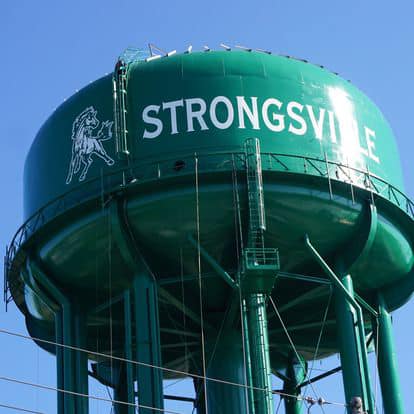
Ziggy Kept Watch
There was a time when you could stand at the corner of Pearl and 82 and see the whole world you'd ever need. Not the world as maps draw it, but the one that mattered — the one measured in bike rides and Friday nights and the particular way the light hit the water tower where Ziggy kept his silent watch over everything below. You didn't know it then, but that cartoon face painted high above the rooftops was the closest thing your childhood had to a patron saint.
You grew up in Strongsville, and that meant something. It meant something you couldn't explain to anyone who didn't.
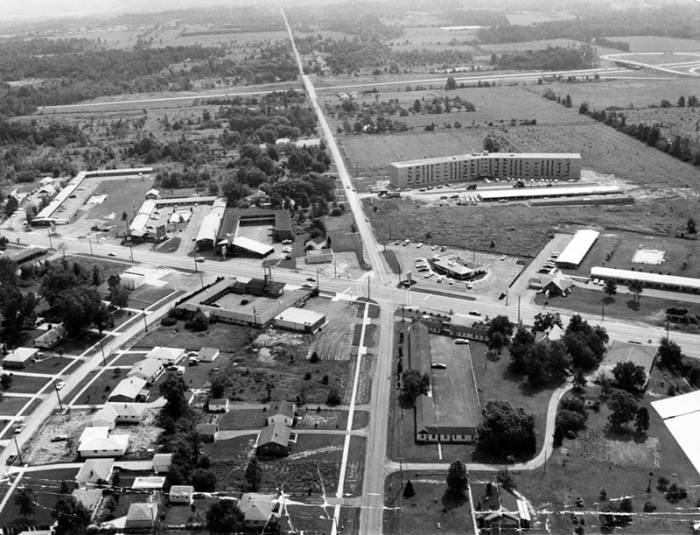
Friday Night Belonged to Pearl Road
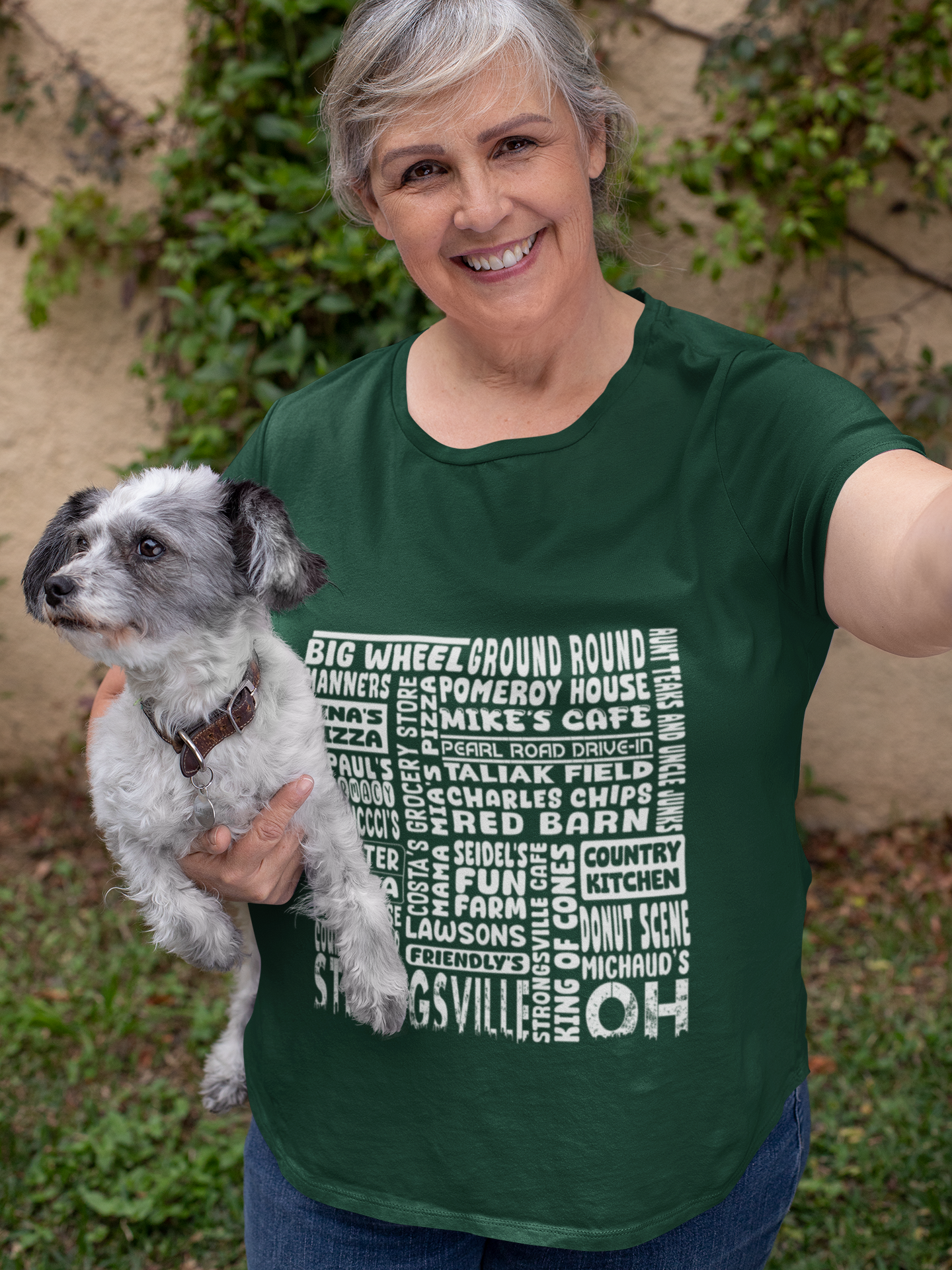
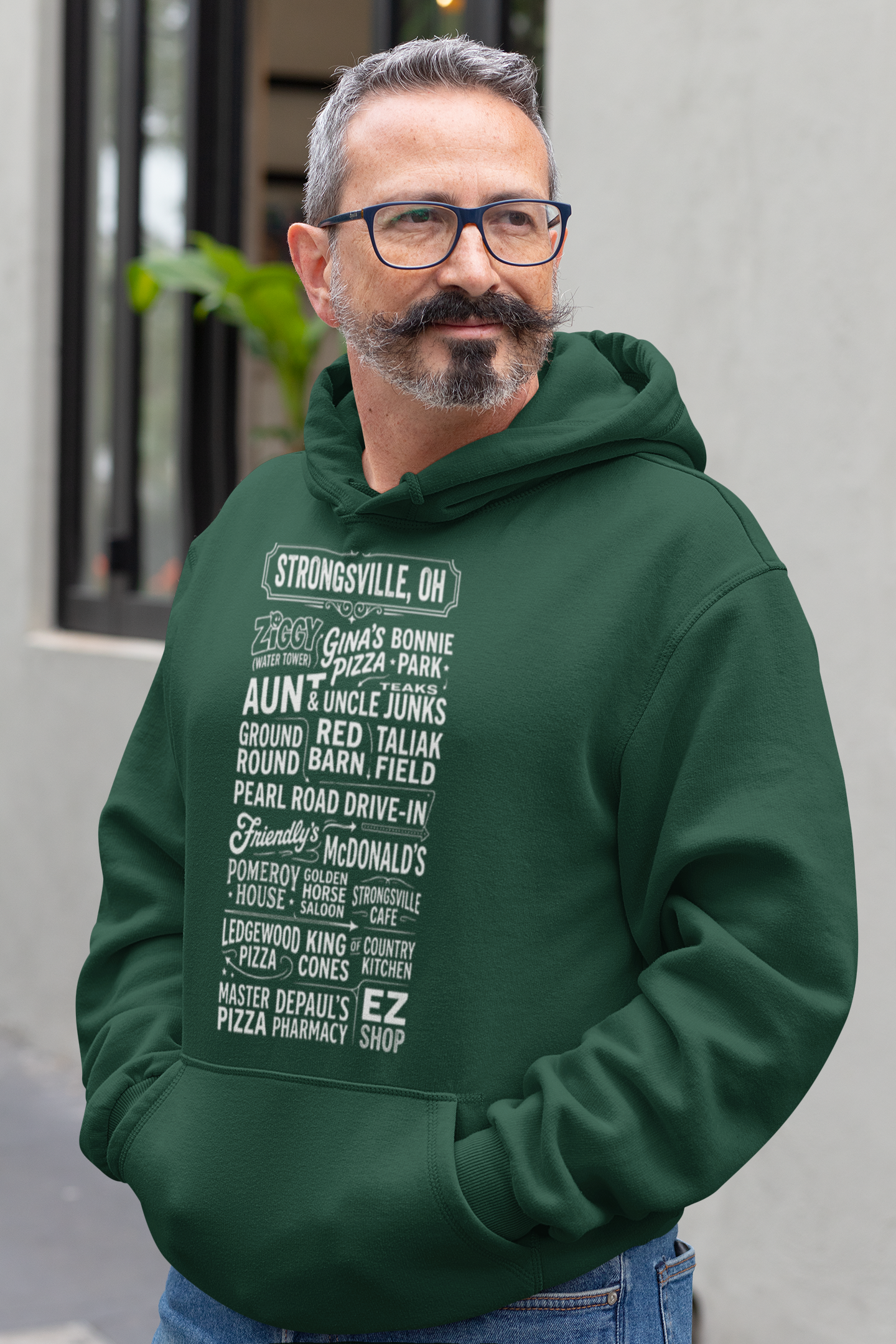
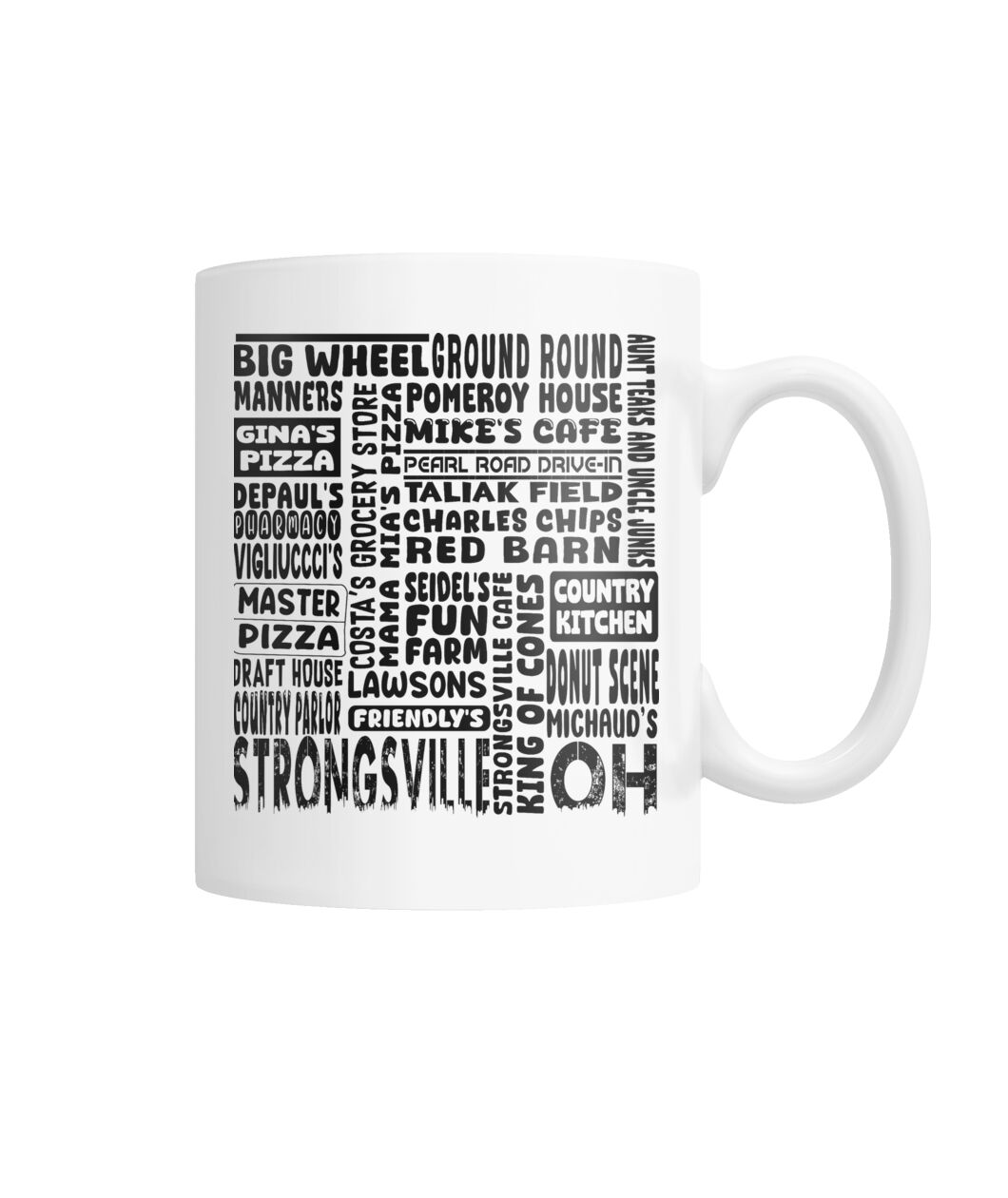
It meant the smell of Gina's pizza on a Friday night after the football game, when the whole town poured out of Taliak Field still hoarse from screaming, still electric, the Mustangs' green and gold everywhere you looked. It meant the impossible decision between Little Caesars and Friendly's, though most nights you ended up at both, or gave up entirely and drove the strip between McDonald's and Burger King with your windows down, doing nothing in particular, which was the whole point.
That slow cruise down Pearl Road on a Friday was a ritual as sacred as anything that happened on Sunday morning, and everyone knew it.
"You didn't go anywhere in particular. You just drove Pearl Road. And that was enough."
The Places That Fed You
It meant knowing that Aunt Teaks and Uncle Junks had three-cent wings, and that this was a fact worth organizing your entire week around. It meant Country Kitchen at two in the morning after you'd closed down whatever bar would have you — the Golden Horse, the Draft House, the Jail Lounge, that stretch of Pearl Road where the neon signs blurred together if you were honest about how the night had gone.
And if you were underage, it meant knowing exactly which beverage store on Boston Road didn't ask questions, and counting your quarters on the counter of a Clark gas station for a pack that cost ninety-nine cents. Nobody judges you now. Those days judged themselves.
Before the Subdivisions
It meant Bonnie Park in summer, the wading pool where your mother sat on a bench and half-watched you while she talked to someone else's mother about someone else's kids. It meant trampolines on Pearl Road — actual trampolines, a business built on the premise that children could be launched into the air for money and no one needed to sign anything. It meant Seidel's Fun Farm and hayrides in the fall, the smell of dirt and hay and something burning in the distance that was probably just leaves but felt like the whole season announcing itself.
It meant riding your bike to the airport just to watch the small planes take off, because that was entertainment, because the world was smaller and slower and that was enough.
You walked to school through neighborhoods that hadn't been built yet. You cut through fields that are now parking lots. The cornfield at Drake and Prospect is a memory that lives only in the minds of people who crossed it, and there are fewer of those people every year. You went to Whitney or Chapman or Allen, and then you went to Albion or Center, and those words still divide a room at any reunion. Center versus Albion. You had opinions about this. You still do.
"The cornfield at Drake and Prospect is a memory that lives only in the minds of people who crossed it. And there are fewer of those people every year."
The Businesses That Built the Town
The Strongsville Café had a bowling machine and three-two beer, and if you were old enough to remember both of those things in the same sentence, you are old enough to know that the town you carry in your heart is not the town that exists on any current map. DePaul's Pharmacy is gone. Sayles Drug Store is gone. Guiseppi's, where you sat in a booth across from the pharmacy and ate pizza that tasted better than anything you've had since — not because it was better, but because you were sixteen and your whole life was ahead of you and you didn't know enough to be afraid of that yet.
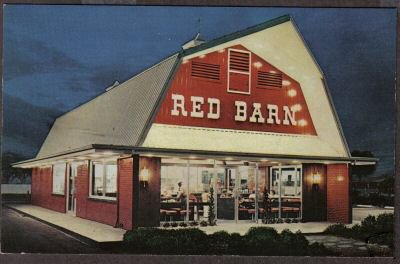
There was a Manners Big Boy before there was a McDonald's. There was a Red Barn, and everyone who ate there has a food poisoning story they tell like a war medal. There was Howard Johnson's, where someone's grandmother worked for forty years and where Friday meant perch dinners. There was Mr. Steak, which was not a person, though you have to say that because someone always asks. There was Ground Round, where the peanut shells on the floor made you feel like you were getting away with something. There was the Pomeroy House, which was a real restaurant to some people and a crumbling haunted mansion to others, depending on what decade you found it in.
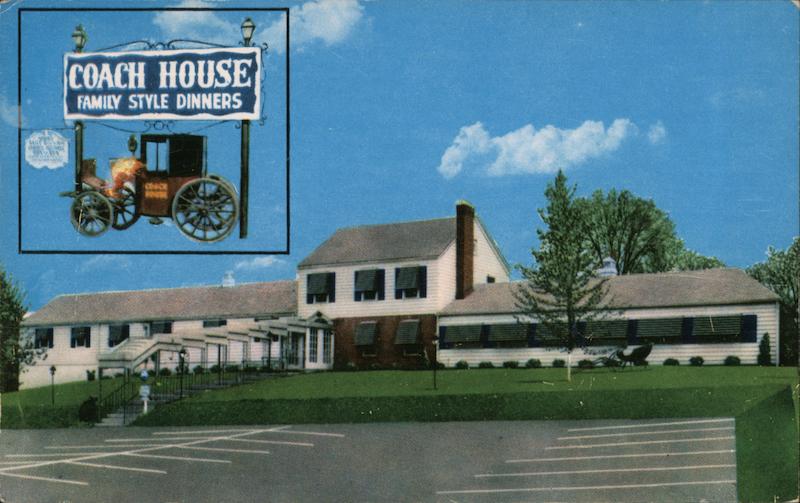
The Sounds You Carry
You bought your first record at Piteo's Music or the Music Workshop across from Lawson's on Prospect. You rented VHS tapes from a place with swinging saloon doors to the adult section that you absolutely did not peek through as you walked by. You bought Charles Chips in a tin and your Girl Scout troop turned those tins into seats, which is the kind of resourcefulness that only makes sense in a town where nothing was wasted, least of all time.
The Metroparks had that stupid one-lane covered bridge and you loved it. The tobogganing chutes at the Chalet were where you learned that gravity was real and that your body was temporary. Wallace Lake, the L-shaped pond in the woods behind someone's house on Willow, the fields that ran unbroken behind the neighborhoods before the subdivisions filled them in like cavities — you knew those places by feel, by the way the ground gave under your sneakers, by the particular shade of green that only existed between May and September in a town that hadn't yet paved over its own childhood.
There was a stuffed wolf in the library. Or maybe it was a coyote. The argument continues.
Your Map, Nobody Else's
You knew Officer Staponovich by name and he knew yours, which was either a comfort or a problem depending on what you'd been doing in the McDonald's parking lot. You knew the fortune teller's house on Royalton Road. You knew the gold cow on Pearl Road and the bull in someone's yard and the fresh eggs sign, and these landmarks meant more to you than any highway marker ever could because they were yours, they belonged to your particular map of a town that only existed for the years you lived in it.
"We weren't tourists in our own town. We were the town. Every shortcut, every back road, every place that closed too early — we knew them all."
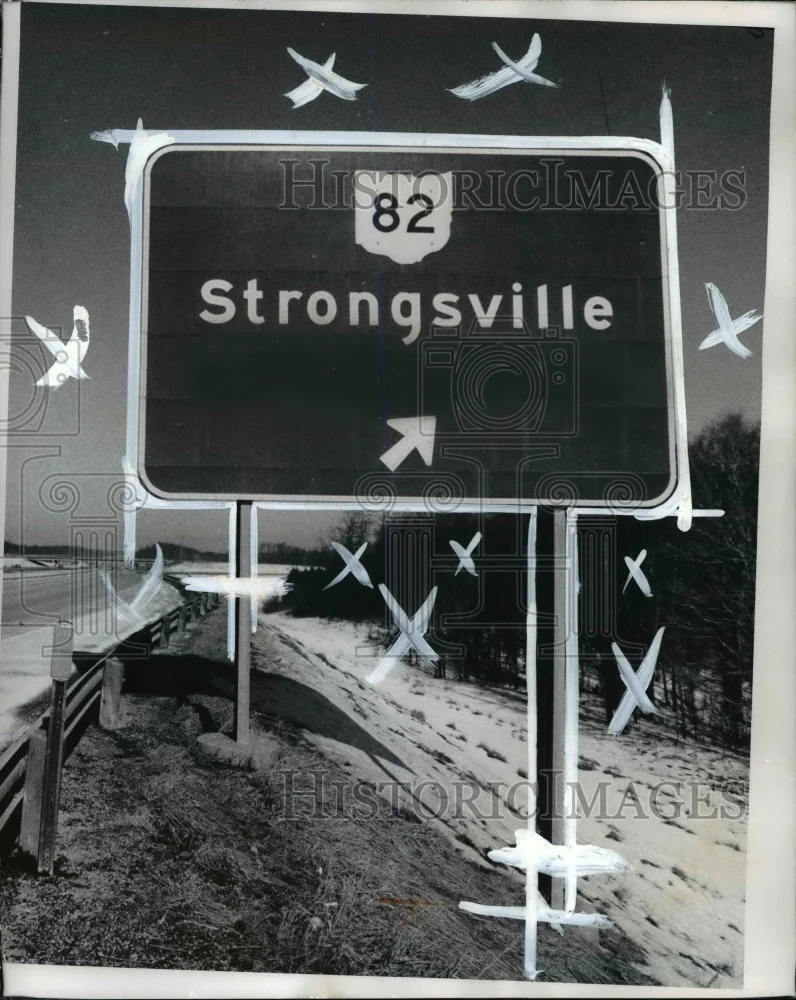
Crossroads of the Nation
Strongsville called itself the Crossroads of the Nation, and you said it with the same mix of pride and irony that you said everything about your hometown — the way you'd mock the strip malls and the turnpike motels and then feel a knife in your chest the moment someone from Brunswick tried to say the same thing. Because it was yours to mock. It was yours to love. It was yours in a way that it could never be anyone else's, because no one else sat in that exact booth at Mike's Café, no one else snuck into the Meadowood pool at exactly that hour on exactly that summer night, no one else heard the announcer's voice crack across Taliak Field on an October evening when the air was sharp and the lights made the whole world a stage.
You Still Know the Way
You left, of course. Almost everyone leaves. You went to college or to the military or to a job in a city that was bigger and louder and more important. You built a life somewhere else. You raised your children somewhere else. And still, sometimes, in the middle of an ordinary afternoon, something catches you — a smell, a song, the particular slant of autumn light — and you are back. You are fifteen and you're walking out of King of Cones with a drip running down your wrist. You are twelve and you're riding your bike past the airport. You are eight and your father is driving you down Pearl Road and every storefront is lit and open and alive, and you don't know yet that any of it can close, that any of it can end, that the whole bright world you take for granted is already beginning to slip away.
They tore down the buildings. They paved the fields. They painted over Ziggy.
But not in you. Never in you.
In you, the water tower still stands, and Ziggy still grins, and the Friday night lights still burn over Taliak, and somewhere down Pearl Road the pizza is hot and the jukebox is playing and the door is open and everyone you ever loved is still inside, waiting for you to walk in and sit down and stay awhile.
You're from Strongsville. You know the way home.