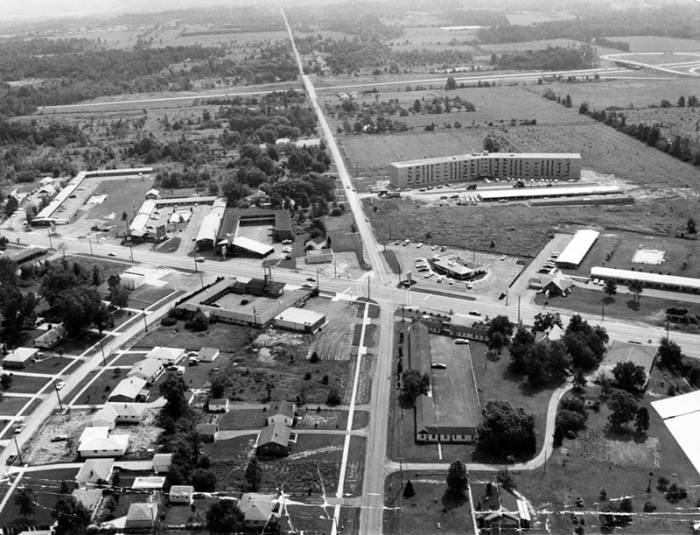
Pearl Road from above — the spine of everything
Pearl Road was the spine of everything. It ran through town the way a river runs through a valley.
There's a version of Strongsville that doesn't exist on any map anymore. You won't find it on Google. You can't drive to it. But close your eyes — any of you, any kid who grew up there — and you're already standing in the middle of it, sunburned and ten years old, with a quarter in your pocket and nowhere particular to be.
It all happened on Pearl Road.
Pearl was the spine of everything. It ran through town the way a river runs through a valley — everything good collected along its banks. The drive-in. Eva's market. The trampoline place near Sprague. Ace Hardware, where Dr. Funk knew your dad by name and probably your grandfather too. If you grew up in Strongsville, Pearl Road was the whole world, and the whole world was enough.
Summer started at the Pearl Road Drive-In.
You remember the ritual. Your mom packed the station wagon with blankets and pillows. Your dad pulled in slow over the gravel, that soft crunching sound under the tires like the opening credits of the night itself. You hung the metal speaker on the window — heavy, ridiculous, the sound tinny and wonderful — and for a few hours, the sky was a movie screen and the back seat was the best place on earth.
The little ones played on the swings by the concession stand until the previews started, then fell asleep somewhere around the second feature. The teenagers came for different reasons. They sat on hoods. They shared popcorn with people they'd remember forever. Some kid's older brother always swiped a speaker — you never knew why, what would you even do with it? — but it became legend anyway.
And if you were broke, really broke, you could climb the hill by the Islander apartments and watch the whole thing for free, the wired speakers carrying the sound up to you like a gift from the town itself.
The drive-in closed. They all closed, everywhere, but this one was yours. A kid who saw The Rescuers there on a warm night in 1977 is a grandparent now, and they still remember.
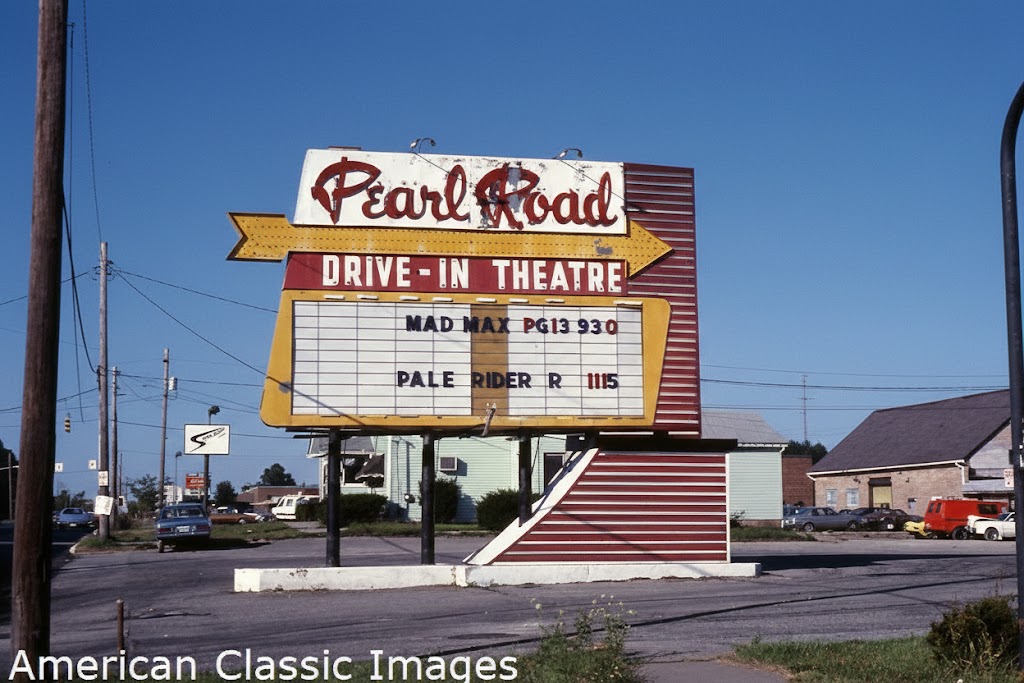
Your first job was somewhere on Pearl.
Maybe you worked the concession stand at the drive-in for a dollar twenty-five an hour and learned things about food preparation you've spent fifty years trying to forget. Maybe you bused tables at Aunt Teak's, where the owners treated the staff like family because that's what everyone was. Maybe you sold vacuum cleaners at Uncle Wally's and somehow talked Eric Metcalf into buying one, which is a story you've been telling at every cookout since 1989.
These places didn't just employ teenagers. They made them. They taught you to show up, to hustle, to be polite to strangers, to count back change from a ten. The first time you felt like something other than a kid was probably behind a counter somewhere on Pearl Road, wearing a paper hat, smelling like fryer grease, making $1.25 and feeling rich.
The restaurants were a language only locals spoke.
Manners Big Boy was where you went after church. Ground Round was where your parents took you when report cards were good. The Coach House was for birthdays — they brought the cake in a pie tin with sparklers instead of candles, and for one minute you were the most important person in the world.
Mr. Steak gave you a free dinner on your birthday, a real steak, and for a kid who usually ate hamburger helper on Tuesdays, that was royalty. Mike and Jan's meant Friday — fish fry Friday — and the whole parish seemed to show up. The Golden Horse. Anguilano's. Country Kitchen. Mikey's, which used to be sort of where the Wendy's is now, though nobody can quite agree on the exact spot.
There was a Greek place in an old house on Pearl that everyone called "the Greasy Spoon" even though nobody can remember its real name. Families went there for breakfast for years. The food wasn't fancy. The coffee was hot. The waitress knew what you wanted before you said it. That was the whole point.
And Mad Cactus — best happy hour in town, the grown-ups said, with a look that meant don't ask.
You could eat your way down Pearl Road and taste every era of your life. Childhood at Seidel's Fun Farm. Teenage years at Bob's Big Boy. First dates at the Coach House. Married life at Aunt Teak's. Each restaurant was a chapter, and when they closed, the chapters closed with them.
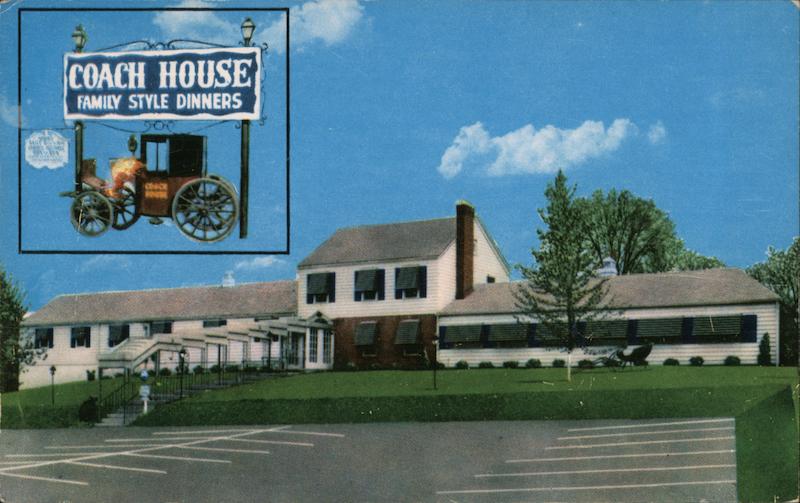
"Each restaurant was a chapter, and when they closed, the chapters closed with them."
The markets were small enough to know you.
Eva's had the best meat counter and the best bakery, and people will fight you on this. North Star market. The little IGA. The Convenient Food Mart across from the church and Center Middle School, where somebody's parents sold beer out the back door to their kid's friends, a fact that has somehow become more charming with every passing decade.
You could walk into any of these places and the person behind the counter would say your last name before you said hello. That's not customer service. That's a village. That was Strongsville before the chains came, before the strip malls and the dozen pizza shops and the nursing homes that Carole still hasn't forgiven them for.
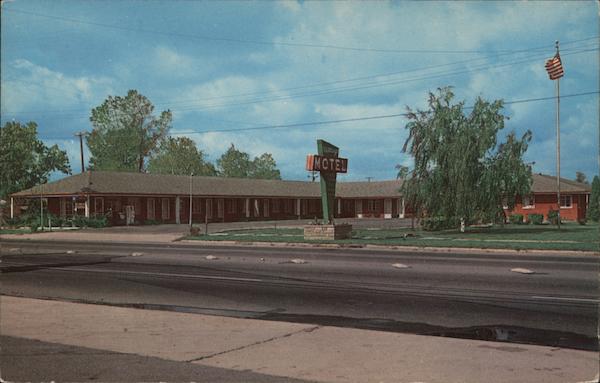
Everybody who grew up there has a list.
They carry it around like a rosary. Fazio's. The Milk Pail. Dutch Pantry. Ponderosa. Howard Johnson's. Perkins. Red Barn. King of Cones. Stouffer's. The Bangor. Frosty Jack's. The Jail Lounge. The Draft House. The Mirage. Kartel's. Lakewood Pizza's deep dish, which someone is still searching for, still hoping to find in some other restaurant in some other town, and never will.
Mancini Auto Parts. The old post office. The Phillips 66 they built where the grocery store used to be, on the corner of Westwood and Pearl, in front of the Strong home. Laughran's, where you snuck out of school to buy candy, though you're still not sure of the spelling.
These names don't mean anything to outsiders. But say "Seidel's Fun Farm" in the right room and watch what happens. Watch a sixty-year-old go quiet. Watch them smile at something you can't see.
"Say 'Seidel's Fun Farm' in the right room and watch what happens. Watch a sixty-year-old go quiet. Watch them smile at something you can't see."
What you miss isn't the place. Not really.
What you miss is being small in a world that felt big enough. You miss the weight of a drive-in speaker hooked on a car window. You miss walking into a restaurant where the waitress already knew. You miss the version of your parents who were young then, who took you to Walt Disney movies on summer nights, who let you play on the swings until the sky went dark.
You miss the muscle cars cruising Pearl on a Saturday night, windows down, radios loud, the whole town moving slow and going nowhere in particular. You miss when going nowhere in particular was the whole point.
Strongsville is still there. It's got new restaurants and new stores, and somebody's kids are making memories in them right now. That's good. That's how it works.
But there's a version of that town that belongs only to the people who lived it — who worked the concession stand, who ate the fish fry, who fell asleep in the back seat under a sky full of movie light. That version doesn't need a building or a sign. It lives in the quiet between the names, in the pause before someone says "Do you remember...?"
And you do. God, you do.